
Electric mobility is entering a defining phase. As global markets accelerate investment in electrification, battery technology, charging infrastructure, and intelligent transport systems, 2026 is expected to become a landmark year for businesses looking to expand in the EV sector.
In 2026, the companies best positioned for growth will not only be those producing vehicles. They will be the businesses that understand where the EV market is moving next and how to align their products, partnerships, and investments with the trends reshaping the electric vehicle industry.
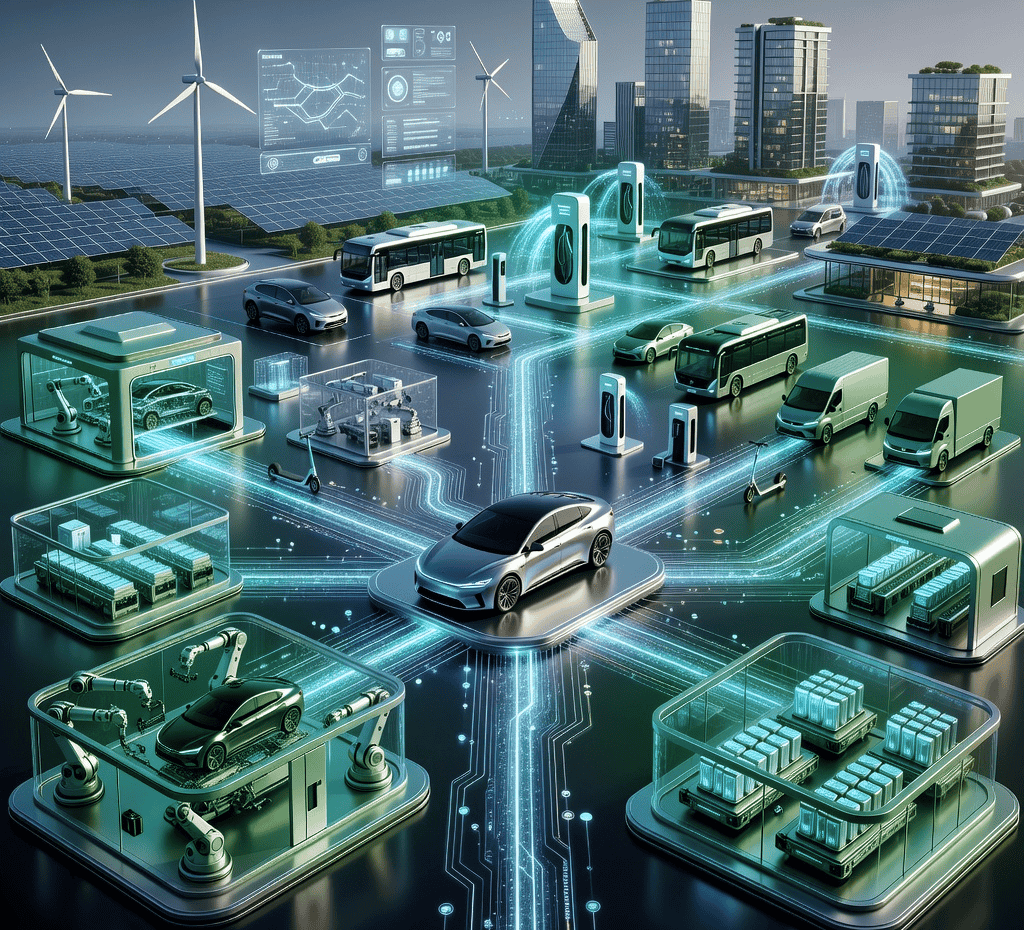
From global EV market growth to battery innovation, charging infrastructure expansion, AI driven mobility, and fleet electrification, the next phase of the industry is creating new opportunities for manufacturers, battery companies, charging providers, investors, technology companies, and OEMs.
What Is Driving EV Industry Growth in 2026?
The EV industry is being shaped by a powerful mix of market demand, policy support, technology advancement, and infrastructure development. According to the International Energy Agency (IEA), global electric car sales exceeded 20 million in 2025, meaning one in four new cars sold worldwide was electric, while electric cars are expected to represent around 28% of global new car sales in 2026.
BloombergNEF expects passenger EV sales to reach 23.3 million globally in 2026, accounting for 27% of global passenger vehicle sales. This growth shows that electric mobility is moving beyond early adoption by identifying the segments where demand, investment, and innovation are accelerating fastest.
Global EV Sales Growth Is Creating Market Expansion Opportunities
Global EV expansion remains the most important trend shaping business opportunities in 2026. With EV sales continuing to rise across major and emerging markets, companies have more room to scale across manufacturing, distribution, aftersales, software, charging, and fleet solutions.
China continues to lead the global EV market, while Europe, Southeast Asia, India, Latin America, and other emerging regions are also gaining momentum. The IEA reported that more than 100 countries recorded electric car sales growth in 2025, with electric vehicles reaching at least 10% of new car sales in one third of those markets.
For EV manufacturers and suppliers, this creates opportunities to expand beyond traditional mature markets and target regions where infrastructure, policy, and consumer adoption are beginning to align. For investors, it signals that EV growth is becoming more geographically diverse, creating new entry points across distribution networks, charging corridors, service platforms, and regional assembly.
Battery Innovation Is Reshaping Cost, Range, and Competitiveness
Battery innovation will remain a critical driver of EV industry growth in 2026, influencing everything from driving range and charging speed to cost competitiveness, safety, and large scale adoption.
The IEA notes that the average range of new battery electric cars has reached around 380 km, while expanding ultra-fast charging infrastructure is helping support longer trips. It also highlights that software and AI are increasingly improving battery management and charging performance.
BloombergNEF’s Electric Vehicle Outlook 2026 highlights the role of falling lithium-ion battery prices, more affordable EV models, and updated battery chemistry developments in supporting continued EV adoption.
For battery companies, this creates opportunities across battery chemistry, thermal management, battery management systems, recycling, and storage integration. As EV markets mature, buyers will look beyond vehicle design and focus more closely on battery reliability, lifecycle value, charging performance, and total cost of ownership.
Charging Infrastructure Expansion Is Becoming a Core Business Sector
Charging infrastructure is no longer just an enabler of EV adoption. It is becoming a major business opportunity in its own right.
As EV adoption increases, demand is growing for public chargers, ultra-fast charging networks, depot charging, workplace charging, residential solutions, smart charging software, and grid connected systems. For companies in the charging and infrastructure space, the opportunity lies in scale, reliability, location strategy, user experience, payment systems, data integration, and partnerships with real estate, retail, transport, hospitality, and energy operators.
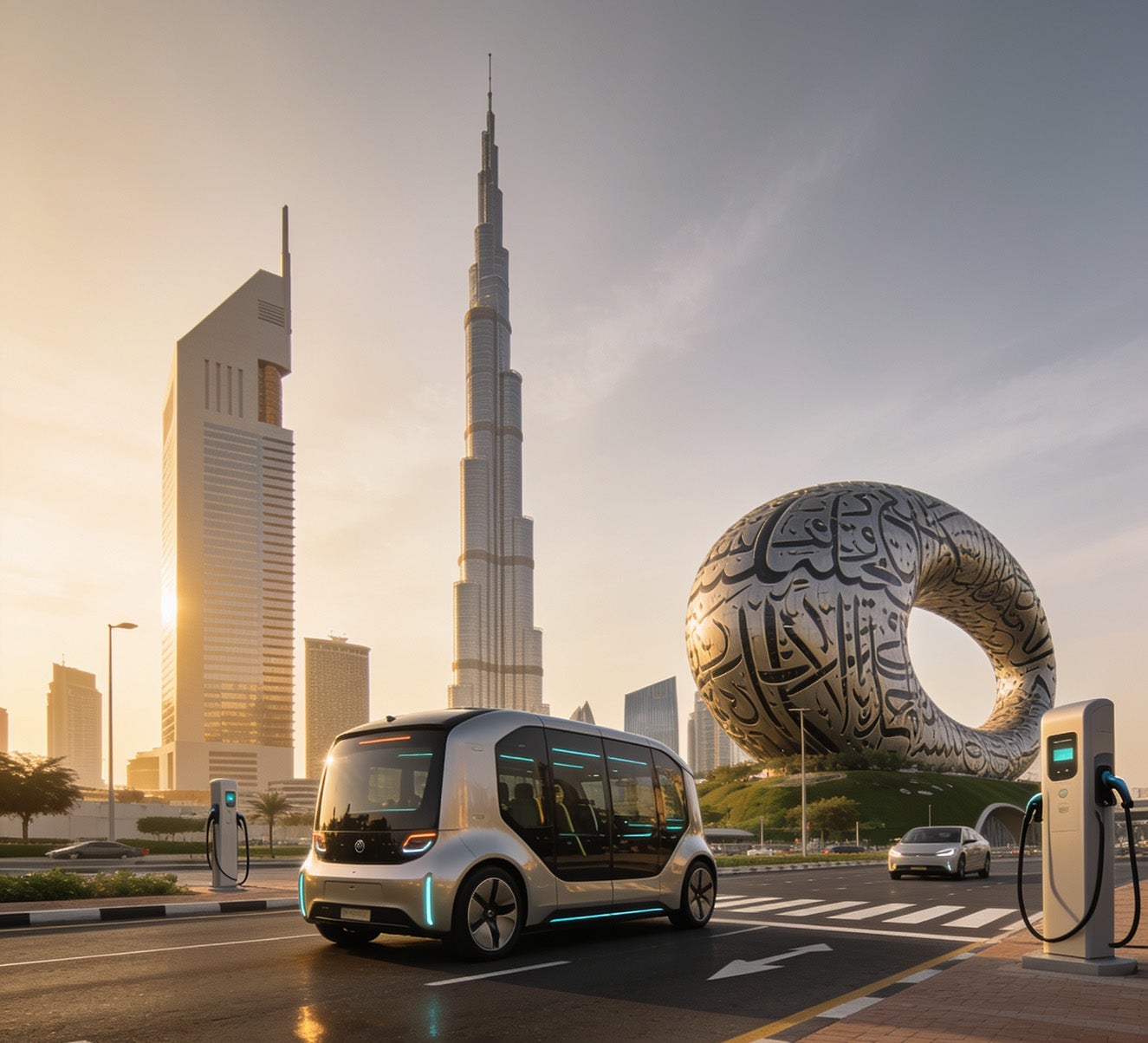
In Dubai, this trend is already visible. Dubai Electricity and Water Authority (DEWA) reported that Dubai had more than 1,270 EV charging points by August 2025, while the number of EVs in the emirate exceeded 40,600 by the end of the first half of 2025. DEWA later stated that its network provides over 1,500 public charging points across Dubai in collaboration with government and private sector partners.
AI and Connected Mobility Are Turning EVs into Digital Platforms
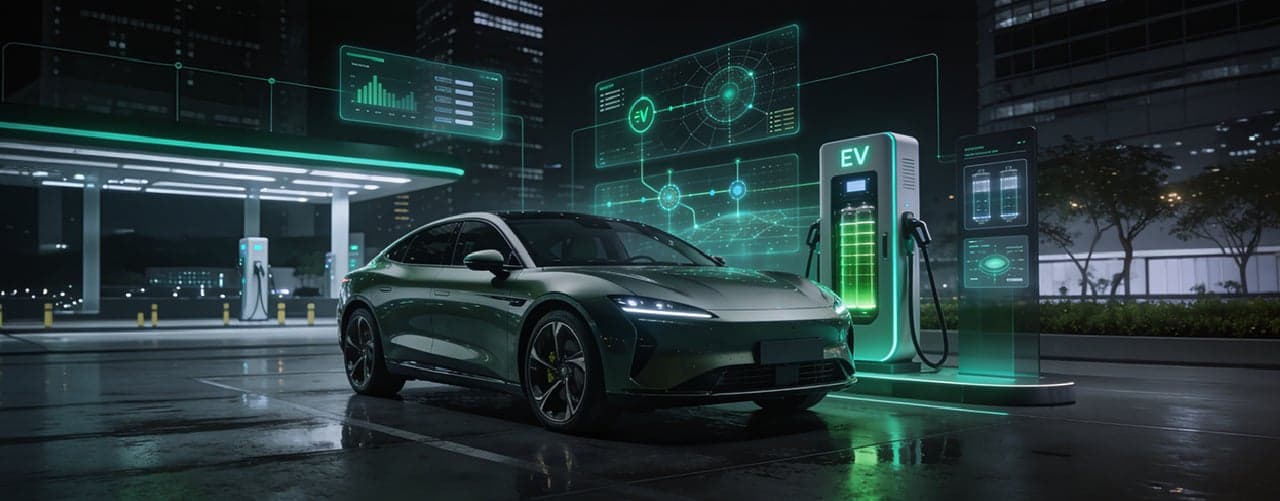
EVs are increasingly becoming connected digital platforms rather than standalone vehicles. AI, telematics, software defined vehicles, cloud systems, and connected services are reshaping how vehicles operate and how users interact with mobility systems.
The IEA notes that software and AI related innovations are reshaping cars, with EVs sold in 2025 around twice as likely to be partially automated compared with internal combustion engine and hybrid vehicles. It also highlights that vehicle computing chips for driving automation have become five times more powerful since 2020.
Fleet Electrification Is Moving EV Growth from Consumers to Scale
In 2026, fleet electrification will become a major growth driver for the EV industry, shifting adoption from individual ownership to large scale commercial, logistics, and public transport transformation.
The UAE’s National Electric Vehicles Policy aims to build a national EV charging network, support EV owners, regulate the EV market, and increase the share of electric and hybrid vehicles to 50% of all vehicles on UAE roads by 2050.
In the Middle East, fleet electrification is especially relevant as governments and companies pursue cleaner transport, smart city strategies, and net zero targets.
CEO Market Insight: How Businesses Should Prepare
For business leaders, the next phase of EV growth requires more than market entry. It requires strategic readiness.
Companies should prepare by asking three key questions:
- Where does our solution fit in the EV value chain?
The strongest opportunities are emerging across infrastructure, batteries, fleets, software, finance, and smart mobility. - Which markets offer the right mix of policy, infrastructure, and demand?
The Middle East is becoming increasingly important as governments accelerate clean transport policies and infrastructure investment. - Who are the partners needed to scale?
EV growth depends on collaboration between governments, utilities, OEMs, fleet operators, investors, technology providers, and infrastructure developers.
In 2026, the most successful companies are those that connect innovation with market access, build the right partnerships, and position themselves in a fast growing mobility ecosystems.
The Middle East’s Next EV Growth Opportunity
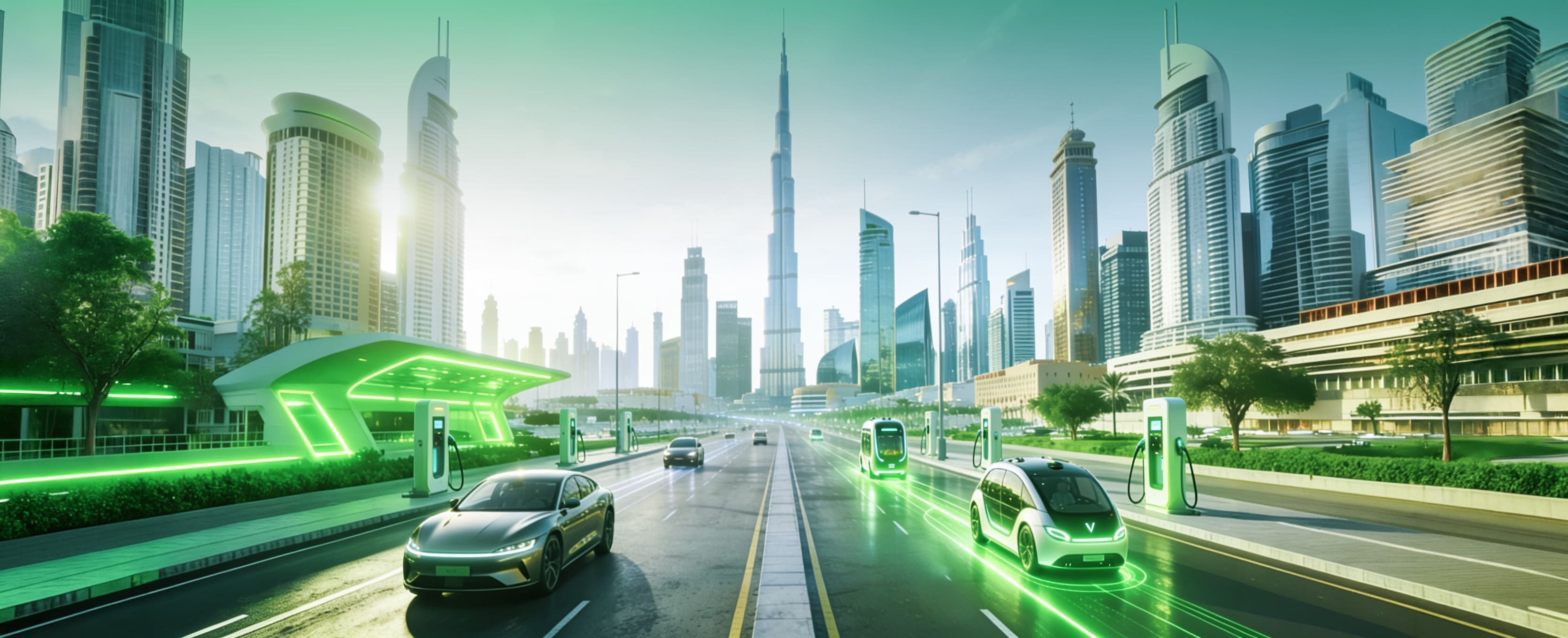
The Middle East is becoming an increasingly important region for EV expansion. GCC markets are investing in clean energy, smart cities, EV charging infrastructure, fleet electrification, and sustainable transport strategies.
The GCC electric vehicle market is forecast to grow from USD 11.64 billion in 2026 to USD 31.66 billion by 2031, expanding at a CAGR of 22.15%, according to Mordor Intelligence. This reflects the increasing policy momentum, infrastructure development, and commercial demand across the region.
For global EV companies, the opportunity extends across the entire mobility ecosystem, from vehicles, batteries, and charging infrastructure to fleet solutions, smart city platforms, financing, insurance, and technology services. With its global connectivity, advanced infrastructure, and strong business environment, Dubai offers a strategic gateway for companies looking to scale across the Middle East and beyond.
EV World 2026: Connecting Companies to the Next Phase of EV Growth
As these EV trends accelerate, companies need platforms that connect them with buyers, investors, government stakeholders, and strategic partners.
EV World 2026 is positioned as the region’s leading platform for electric mobility, smart infrastructure, and sustainable transport innovation. The event connects EV manufacturers, charging infrastructure providers, battery and energy solution companies, policymakers, investors, technology leaders, fleet operators, and mobility innovators across the full EV value chain.
For exhibitors, EV World 2026 offers more than visibility. It provides a strategic platform to launch new products, meet government decision makers, connect with distributors, build commercial partnerships, access regional buyers, and expand into high-growth GCC markets. For companies looking to capitalize on EV Trends 2026, the event offers a timely opportunity to showcase solutions, strengthen market presence, and position their brands within one of the Middle East’s fastest growing future mobility markets.
The Next Wave of Electric Mobility Growth
The electric vehicle industry is entering a decisive stage. Global EV market growth is expanding, battery innovation is improving competitiveness, charging infrastructure is becoming a major investment sector, AI is redefining connected mobility, and fleet electrification is moving adoption toward scale.
For businesses, the message is clear: EV opportunity in 2026 is bigger than vehicles. It is about the full ecosystem that enables future mobility.
The electric mobility ecosystem is evolving at an unprecedented pace, and businesses that engage early will be best positioned to capture new opportunities. EV World 2026 provides the platform to connect with industry leaders, decision makers, and partners shaping the next generation of mobility across the Middle East.
Book your stand at EV World 2026.