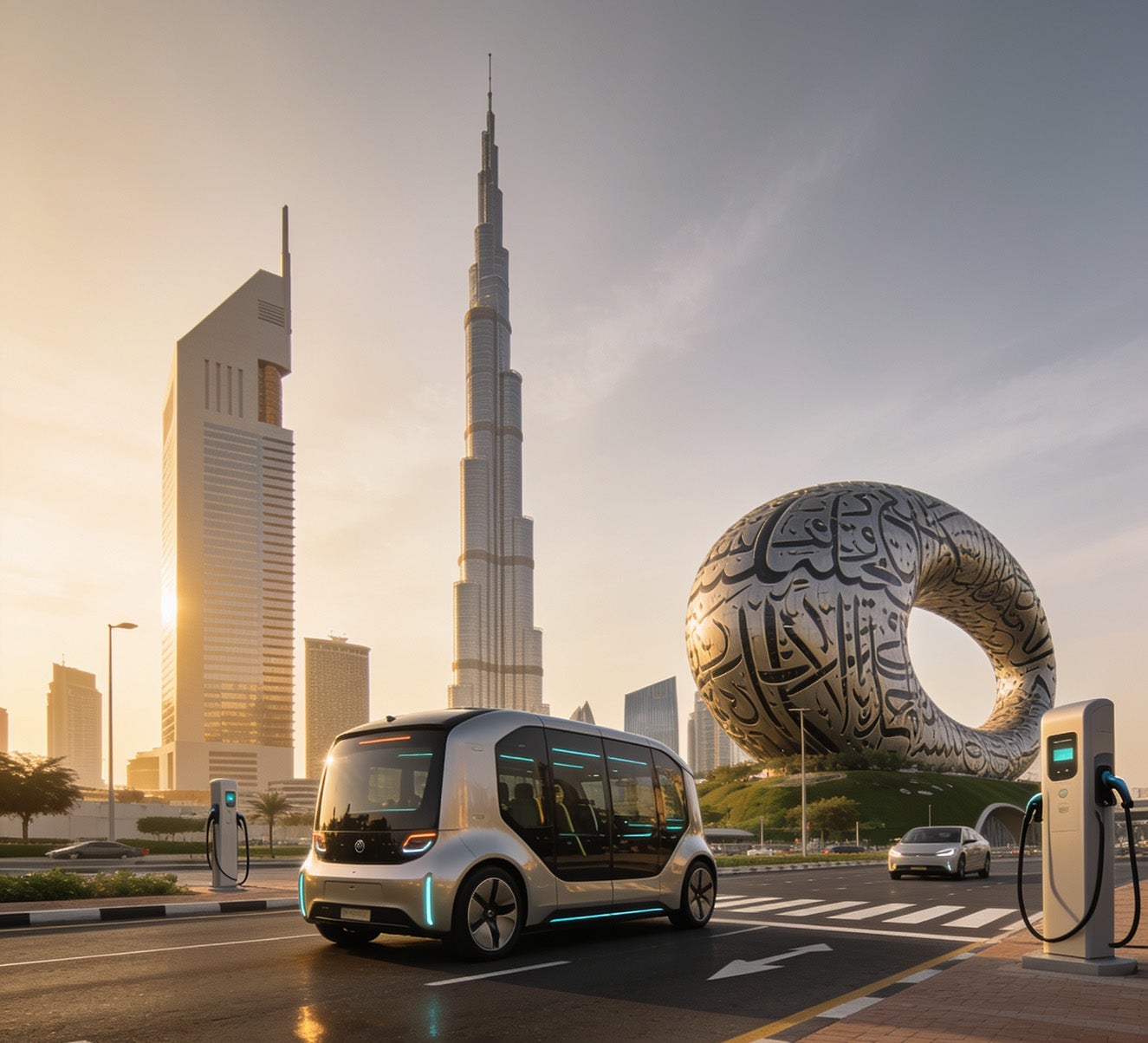

There is a difference between preparing for the future and designing it. While many countries are still adapting to disruption in transport and mobility, the UAE has positioned itself as a nation actively shaping what comes next through long-term policy, infrastructure investment, technology adoption, and institutional leadership.
Across the country, and particularly in Dubai, government entities are not simply supporting mobility transformation, they are driving it. From electric vehicle adoption and smart infrastructure to autonomous transport and sustainable urban planning, the UAE is building an integrated mobility ecosystem designed for the future.
Policy as the Foundation of Mobility Transformation
At the national level, the UAE’s direction is clearly anchored in long-term sustainability and innovation strategies. The UAE Net Zero 2050 Strategy identifies transport as one of the country’s priority sectors in achieving climate goals while supporting economic diversification and sustainable growth.
In parallel, the National Electric Vehicles Policy is accelerating the transition toward electric mobility by supporting the development of nationwide charging infrastructure, reducing transport sector energy consumption, and improving the EV ownership experience across the UAE.
Key Government Priorities Driving the Transition:
- Expanding nationwide EV charging infrastructure
- Reducing transport-related emissions
- Supporting clean energy and sustainability goals
- Accelerating electric and hybrid vehicle adoption
- Building a future-ready smart mobility ecosystem
Dubai has further strengthened this vision through the Dubai Green Mobility Strategy 2030, which aims to reduce transport-related emissions and encourage the adoption of electric and hybrid vehicles. Government procurement policies are also reinforcing this shift, with Dubai entities required to increase annual purchases of electric and hybrid vehicles to 20% from 2025 and 30% from 2030.
These initiatives demonstrate an important reality: mobility transformation does not begin with technology alone. It begins with regulation, long-term planning, and government leadership capable of creating market confidence and accelerating ecosystem growth.
RTA and the Shift Toward Smart & Autonomous Mobility
At the center of Dubai’s mobility transformation is the Roads and Transport Authority (RTA), which has become one of the region’s most influential drivers of smart and sustainable transportation.
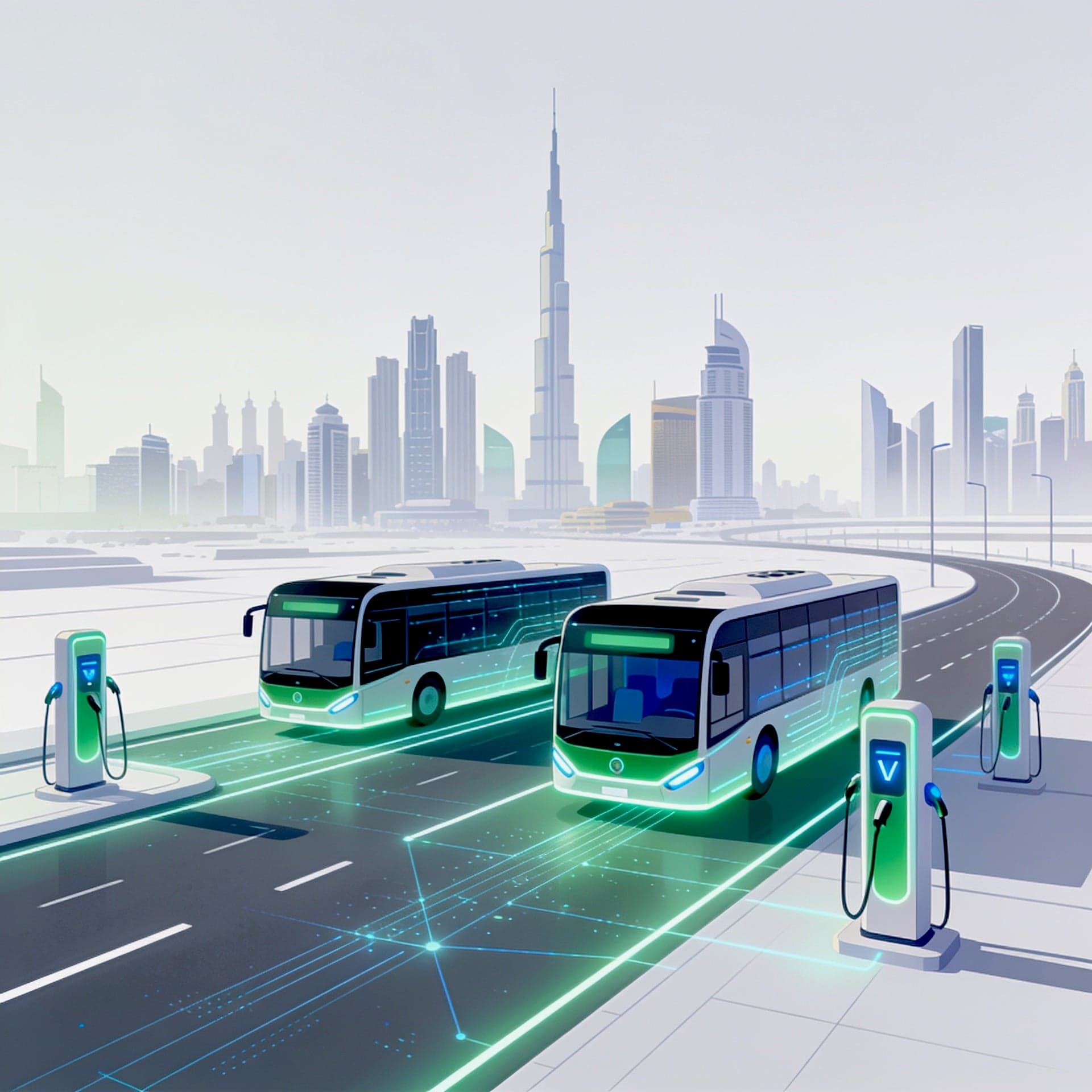
Through its Sustainability Framework 2030, RTA is guiding Dubai toward a future of zero-emission public transport by 2050 while investing in climate-resilient and data-driven transport infrastructure. The authority is also leading the development of autonomous mobility solutions through Dubai’s Autonomous Transport Strategy 2030, which targets converting 25% of all trips in Dubai into autonomous journeys by 2030.
Dubai’s Smart Mobility Vision Includes:
- Zero-emission public transportation by 2050
- Autonomous mobility integration
- Smart and data-driven transport systems
- Digitally enabled public transport services
- Electrification of taxi and fleet operations
The impact of this transformation is already visible. According to RTA, public transport, shared mobility, and taxis in Dubai served more than 802 million riders in 2025, reflecting growing demand for integrated and digitally enabled transport systems. At the same time, 90% of Dubai’s operational taxi fleet became hybrid or electric in 2025, with a roadmap targeting a fully electric taxi fleet by 2040.
Building the Infrastructure for EV Adoption
Infrastructure development remains one of the most critical factors in accelerating electric mobility adoption, and Dubai has moved aggressively in this area.
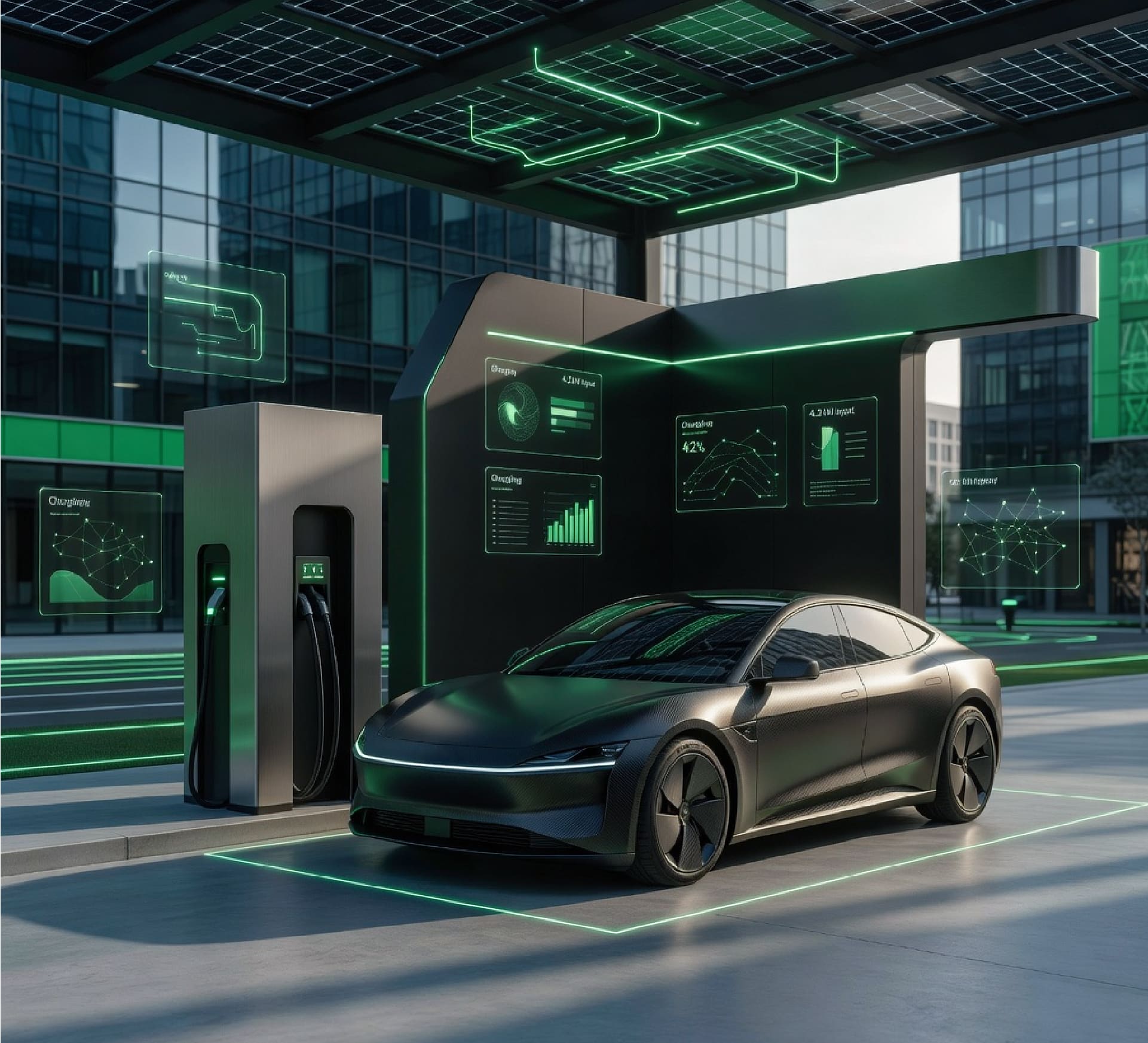
Under DEWA’s EV Green Charger initiative, Dubai has rapidly expanded its charging network while establishing a regulatory framework that supports infrastructure growth and accessibility. By 2025, the emirate had surpassed 1,270 EV charging points and more than 40,000 registered electric vehicles, reflecting the market’s accelerating momentum.
Beyond charging stations, DEWA’s broader smart grid strategy is helping create the digital and energy backbone required for a connected mobility ecosystem. Vehicle-to-grid integration, predictive energy management, and intelligent infrastructure are increasingly becoming part of Dubai’s broader smart-city vision.
Infrastructure Developments Supporting EV Growth:
- Rapid expansion of EV charging stations
- Smart grid integration and energy management
- Vehicle-to-grid (V2G) capabilities
- Improved accessibility for EV users
- Public-private partnerships accelerating rollout
This approach highlights a key differentiator in the UAE’s strategy: EV infrastructure is not being developed as a standalone utility, but as part of a fully integrated urban mobility and sustainability ecosystem.
Why the UAE Is Becoming a Global Mobility Benchmark
What makes the UAE’s progress particularly significant is that these developments are not future ambitions, they are measurable milestones already shaping the mobility landscape today.
The country has demonstrated that successful mobility transformation depends on more than innovation alone. It requires long-term regulation, infrastructure readiness, institutional coordination, investment confidence, and the willingness to move early.
Why Global Mobility Leaders Are Watching the UAE:
- Strong government leadership and regulation
- Rapid infrastructure deployment
- Advanced smart-city integration
- Growing EV adoption and market demand
- Public-private ecosystem collaboration
- Clear long-term sustainability vision
Mobility Transformation Is Creating New Business Opportunities
As the UAE continues accelerating investment in electric mobility, smart infrastructure, charging networks, autonomous systems, and sustainable transportation, the market is creating significant commercial opportunities across the mobility ecosystem.
This transformation is opening new growth potential for:
- EV manufacturers and mobility brands
- Charging infrastructure providers
- Battery and energy storage companies
- Fleet and commercial mobility operators
- Software and smart mobility solution providers
- Investors, technology innovators, and strategic partners
As governments and cities across the region continue scaling their mobility ambitions, the demand for advanced technologies, infrastructure solutions, and sustainable transport systems is expected to grow rapidly in the coming years.
Explore the Future of Mobility at EV World 2026
As governments, mobility leaders, technology providers, and infrastructure innovators continue shaping the future of transportation, platforms that bring these stakeholders together are becoming more important than ever.
EV World 2026 will serve as a global platform connecting policymakers, industry leaders, investors, and innovators to explore the technologies, partnerships, and strategies driving the future of electric mobility and sustainable transport.
Join EV World 2026 to:
Connect with global mobility leaders and policymakers
- Discover the latest EV and smart mobility innovations
- Explore charging infrastructure and sustainable transport solutions
- Build strategic partnerships across the mobility ecosystem
- Be part of the conversation shaping the future of transportation
The future of mobility is already being built, and EV World 2026 is where the industry comes together to drive what’s next.
Visit EV World 2026 and explore the next era of electric mobility, smart infrastructure, and sustainable transportation.