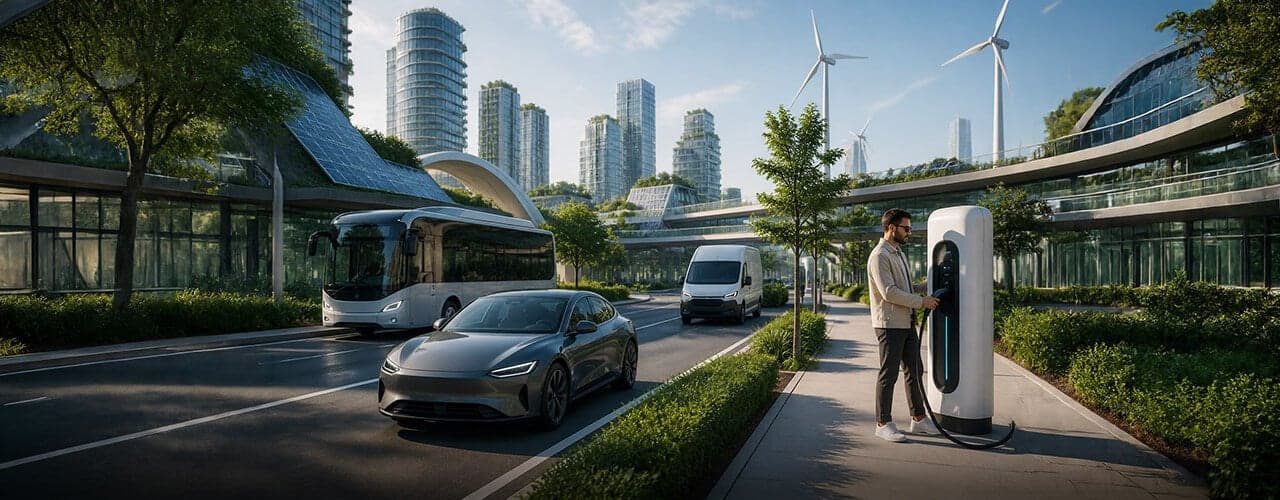

Transportation is undergoing one of the most significant transformations in modern history. At the center of this shift is electric mobility, a movement that is redefining how people, businesses, and cities approach transportation.
As governments pursue sustainability goals and consumers demand cleaner alternatives, electric mobility is rapidly becoming the foundation of future transportation systems.
What Is Electric Mobility?
Electric mobility refers to transportation solutions powered primarily by electricity rather than traditional fossil fuels.
This includes:
Electric passenger vehicles
Commercial electric fleets
Electric buses
E-bikes and scooters
Smart charging infrastructure
Connected mobility systems
Together, these technologies contribute to a cleaner, more efficient transportation ecosystem.
The Key Drivers Behind Electric Mobility Growth
Several global trends are accelerating electric mobility adoption.
Sustainability Goals
Countries worldwide are implementing policies aimed at reducing emissions and supporting climate commitments. Electric vehicles play a critical role in achieving these objectives.
Battery Innovation
Advancements in battery technology continue to improve vehicle range, charging speed, performance, and affordability.
Infrastructure Expansion
The rapid deployment of public and private charging stations is making EV ownership increasingly convenient for consumers and businesses.
Government Incentives
Financial incentives, tax benefits, and supportive regulations are encouraging both consumers and fleet operators to transition to electric transportation.
Benefits of Electric Mobility
Reduced Emissions
Electric vehicles help reduce greenhouse gas emissions and improve air quality in urban environments.
Lower Operating Costs
EVs typically require less maintenance and offer lower energy costs compared to conventional vehicles.
Energy Efficiency
Electric drivetrains convert energy more efficiently than internal combustion engines, resulting in improved overall performance.
Improved User Experience
Modern EVs offer advanced digital features, connectivity, and smart mobility capabilities that enhance convenience and safety.
How Electric Mobility Is Transforming Industries
The impact of electric mobility extends far beyond vehicle manufacturers.
Industries benefiting from this transformation include:
Energy providers
Charging infrastructure companies
Battery manufacturers
Software developers
Fleet operators
Insurance providers
Smart city developers
This growing ecosystem is creating new business models and investment opportunities around the world.
The Role of Smart Mobility
Electric mobility and smart mobility are increasingly interconnected.
Technologies such as AI, telematics, predictive maintenance, and vehicle-to-grid systems enable transportation networks to become more intelligent, efficient, and responsive.
As cities evolve, these integrated solutions will play a vital role in shaping future transportation systems.
The Road Ahead
Electric mobility is no longer an emerging trend—it is becoming the new standard for transportation.
As innovation continues to accelerate, the industry will see further advancements in battery technology, charging infrastructure, connected mobility, and autonomous transportation solutions.
Organizations that embrace these changes today will be best positioned to thrive in the future mobility landscape.
EV World serves as a platform where industry leaders, innovators, investors, and policymakers come together to explore the trends shaping the future of electric mobility and sustainable transportation.
