
The transition to electric mobility across the Middle East and North Africa is moving from ambition to infrastructure. As EV adoption accelerates, the availability of reliable, accessible and intelligent charging is becoming one of the most important factors shaping consumer confidence, fleet electrification and long-term market growth. This shift will be on full display at EV World 2026 in Dubai this November.
The MENA electric mobility market is projected to grow from USD 3.33 billion in 2024 to USD 9.42 billion by 2029, representing a CAGR of 23.2%, according to Middle East Energy's Battery and eMobility Integration Report. This expansion is being supported by government strategies, growing investment, improving vehicle affordability and the rapid development of charging infrastructure.
Charging Infrastructure: The Foundation of EV Adoption
For EV adoption to move beyond early adopters, drivers need confidence that charging will be available when and where they need it. This makes infrastructure more than a supporting service, it is a core component of the EV ecosystem.
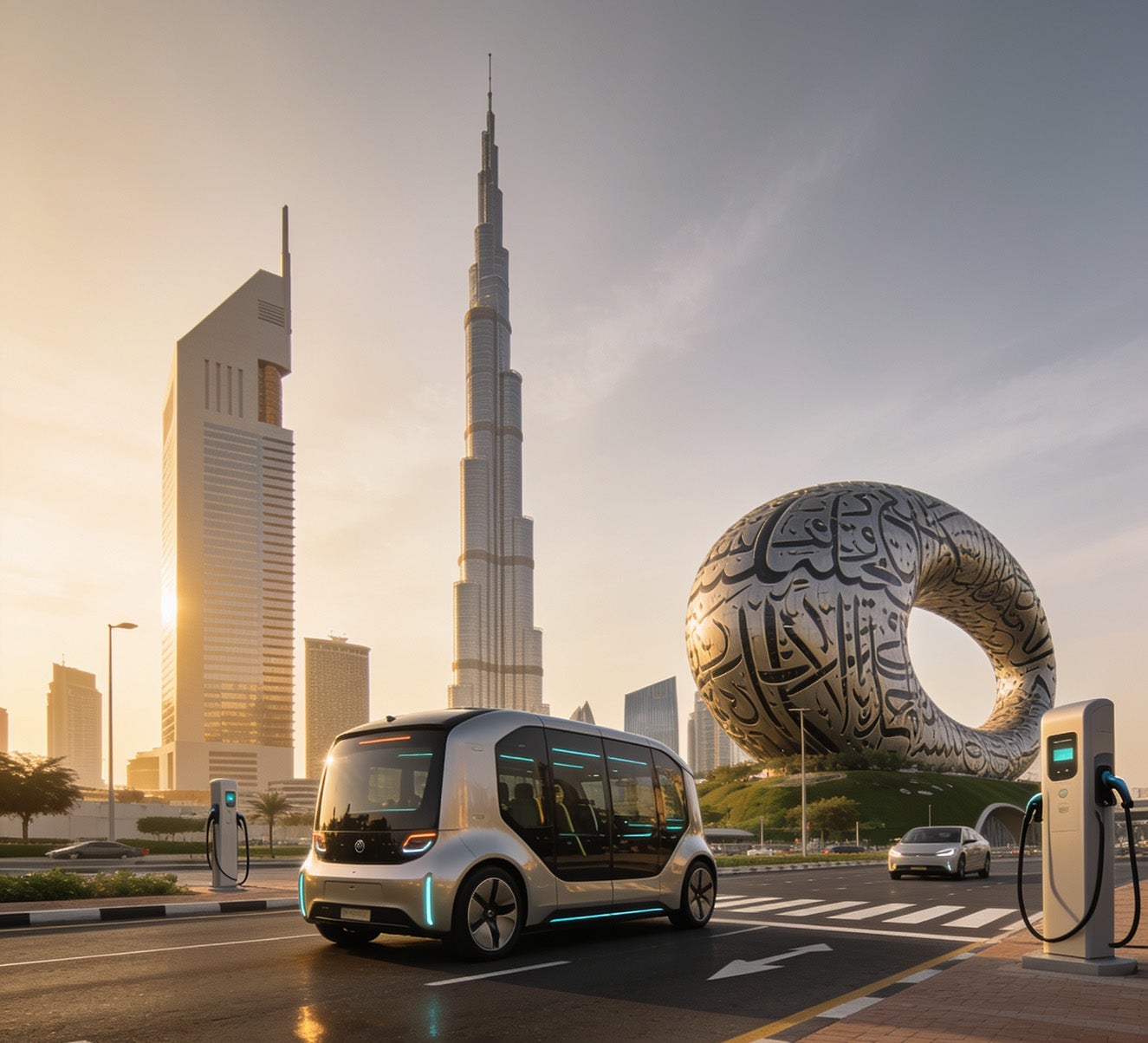
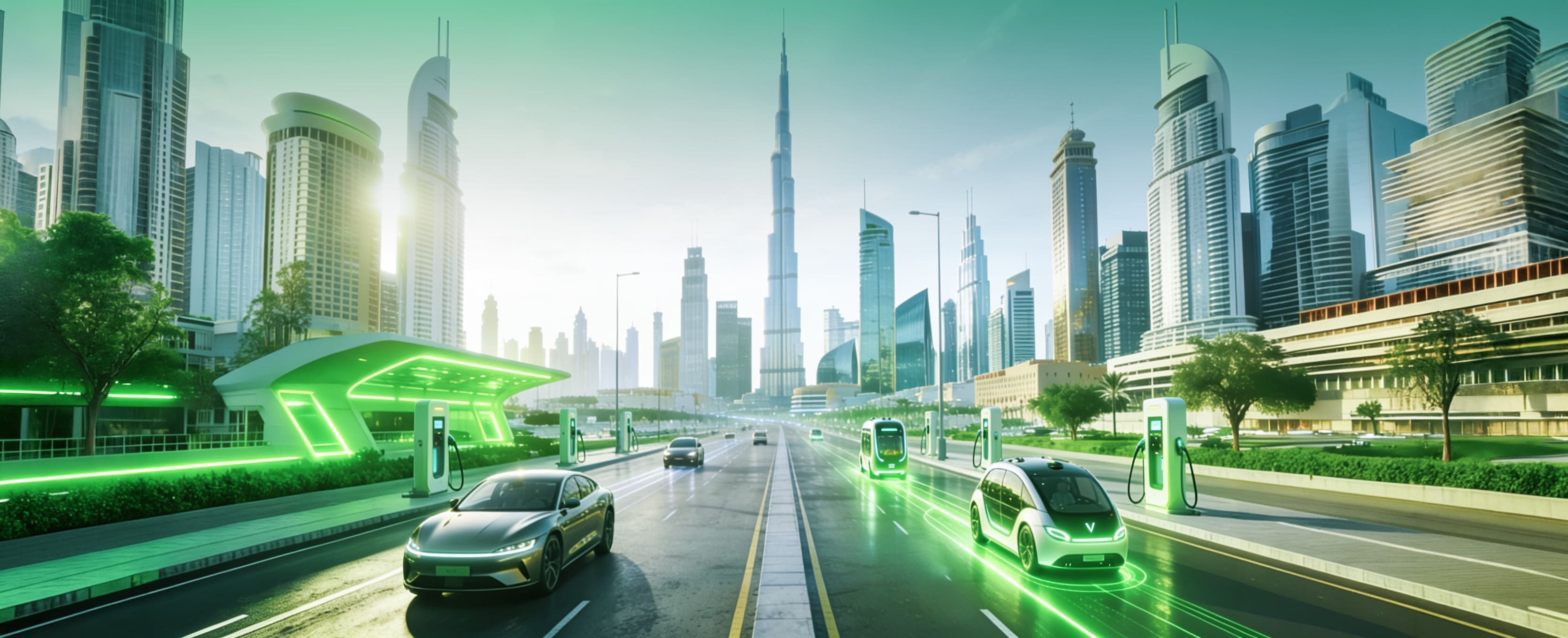
Across the region, public and private charging networks are expanding in residential communities, commercial destinations, workplaces, parking facilities and highways. Dubai, for example, has significantly increased its charging capacity. By January 2026, DEWA reported more than 1,860 EV charging points across Dubai, including points delivered through collaboration with government and private-sector partners.
Saudi Arabia is also developing a nationwide fast-charging network. EVIQ, a joint venture between the Public Investment Fund and Saudi Electricity Company, is targeting more than 5,000 fast chargers across 1,000 strategic locations by 2030.
These developments demonstrate the scale of opportunity emerging for charging technology companies, utilities, network operators and infrastructure developers.
Fast Charging Is Changing the Ownership Experience
One of the biggest barriers to EV adoption is charging time. Fast and ultra-fast charging technologies are therefore becoming central to the next generation of EV charging stations across the UAE and wider EV infrastructure strategies across the Middle East.
High-power DC charging can significantly reduce charging time, making EVs more practical for consumers, commercial fleets, taxis and long-distance travel. Saudi Arabia's deployment of highway fast-charging stations illustrates this shift, with EVIQ expanding infrastructure beyond urban centers to support longer journeys.
The future, however, is not simply about installing more chargers. Operators will need to consider charger reliability, interoperability, digital payment, real-time availability, maintenance and intelligent energy management.
From Charging Stations to Smart Charging Networks
As charging networks grow, the infrastructure itself is becoming more connected.
Smart charging enables operators and energy providers to manage when and how vehicles draw electricity, helping balance demand and improve network efficiency. Connected charging platforms can also provide users with real-time information, digital payment options and charger availability.
The next step is Vehicle-to-Grid (V2G) technology, which can allow compatible EVs to return electricity to the grid during periods of high demand. This creates a two-way relationship between vehicles and the energy system, positioning EVs as potential energy assets rather than simply consumers of electricity.
Dubai is already exploring this direction. Its mobility ecosystem includes smart-grid integration and V2G capabilities, while DEWA has continued researching advanced charging technologies including ultra-fast, mobile and inductive charging.
Government Policy Is Accelerating Investment
Government strategies are playing a critical role in creating the conditions required for infrastructure investment.
Across MENA, EV development is increasingly connected to broader objectives around sustainability, energy diversification, smart cities and economic development. The UAE's national strategy targets 50% of all vehicles on the country's roads being electric by 2050, while Dubai's Green Mobility Strategy 2030 is supporting the expansion of clean transportation and charging infrastructure.
Saudi Arabia is similarly using Vision 2030 to encourage sustainable transport and build the infrastructure required for wider EV adoption. EVIQ's partnerships with municipalities and private-sector organizations demonstrate how public-private collaboration can accelerate deployment at scale.
For infrastructure providers, this policy momentum creates opportunities across equipment supply, network operation, energy management, software, installation, maintenance and integrated mobility solutions.
Renewable Energy Will Shape the Next Charging Ecosystem
The future of EV charging is also closely connected to the future of energy.
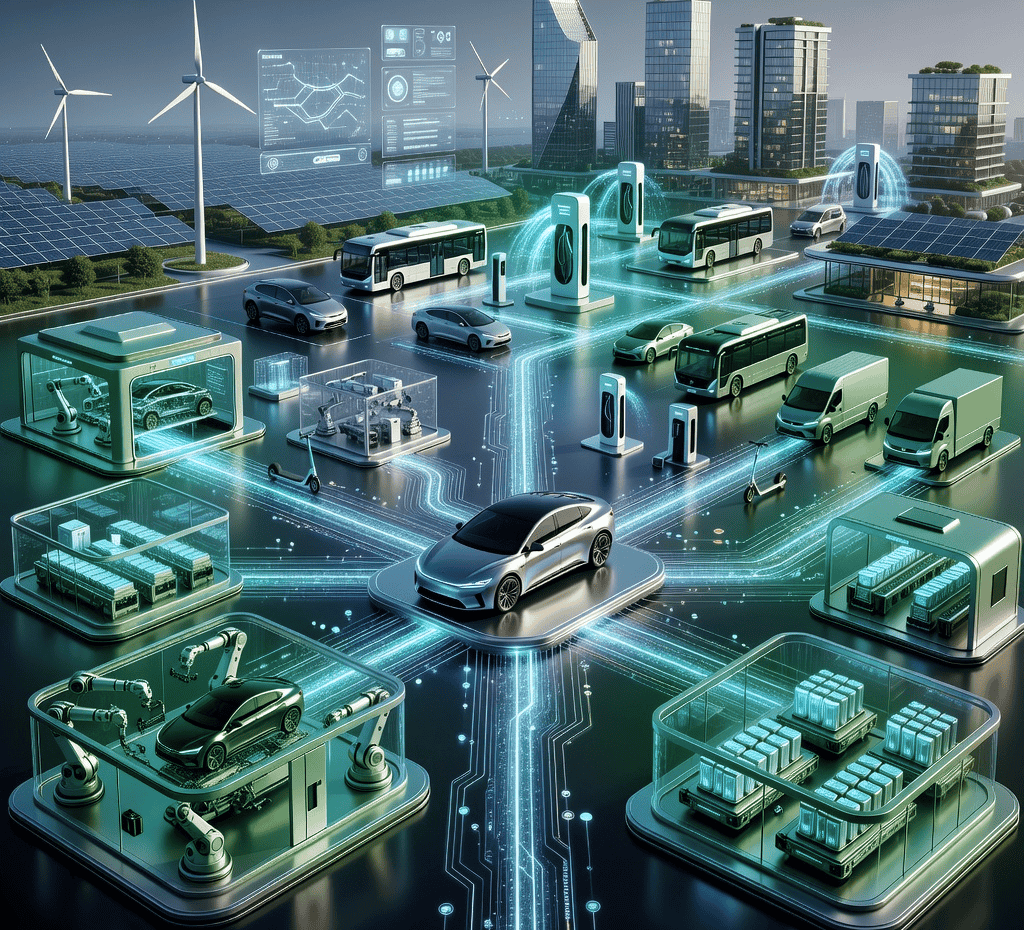
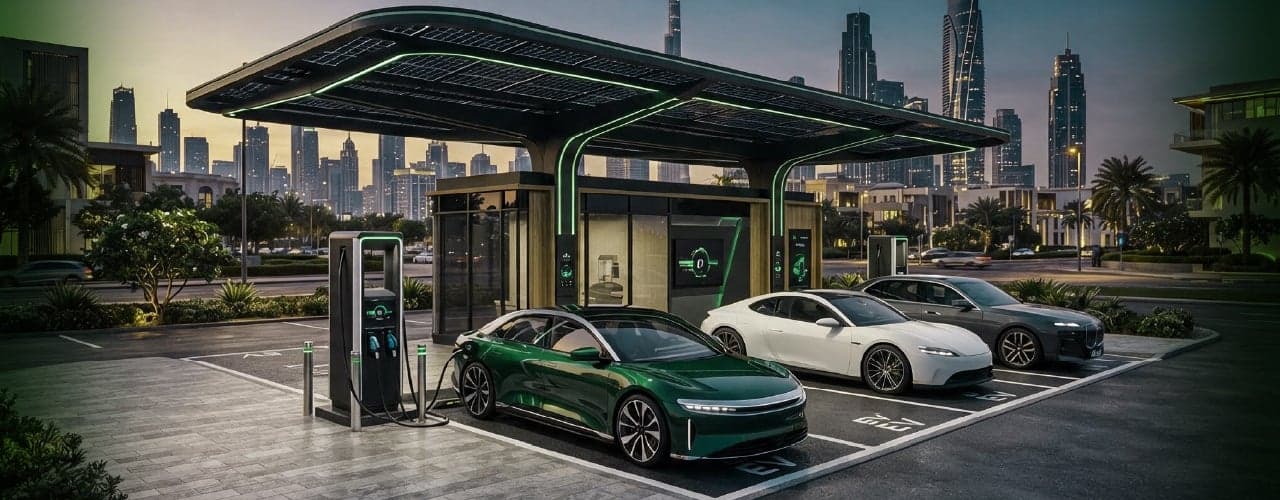
Integrating charging infrastructure with renewable energy sources such as solar can support cleaner mobility while helping optimize electricity consumption. In a region with significant solar potential, this creates opportunities for charging hubs that combine renewable generation, energy storage, smart charging and digital energy management.
This convergence is transforming charging stations into components of a broader smart-energy ecosystem.
The Business Opportunity for Infrastructure Providers
The expansion of EV charging infrastructure across MENA is creating opportunities across the entire value chain.
Charging solution providers can support:
- Public and highway charging networks
- Residential and workplace charging
- Fleet and depot charging
- Fast and ultra-fast charging
- Charging management software
- Energy storage and renewable integration
- Smart charging and V2G
- Charger maintenance and predictive diagnostics
- Digital payment and mobility platforms
The opportunity is particularly significant because EV adoption requires collaboration. OEMs need charging partners. Utilities need technology providers. Governments need infrastructure developers. Investors need scalable business models. Fleet operators need reliable charging solutions.
This is why the next phase of EV growth will be shaped not only by vehicle manufacturers, but by the companies building the infrastructure behind them.
A Human-Centered View: Building Confidence, Not Just Chargers
From an industry perspective, the challenge is ultimately about the user experience. As EVIQ CEO Mohammed Bakr Gazzaz noted, reliable charging infrastructure is essential to giving EV drivers confidence and making electric mobility practical at scale. EVIQ's approach combines network expansion with strategic partnerships, highway deployment and charger testing to improve reliability and compatibility.
For drivers, the question is simple: Can I charge easily, reliably and when I need to?
For businesses, the question is broader: Can the infrastructure scale with demand while remaining commercially and operationally sustainable?
Answering both questions will determine how quickly EV adoption moves into the mainstream.
Building the Future at EV World 2026
The next wave of electric mobility in MENA will require stronger connections between technology, energy, infrastructure and investment.
EV World 2026 brings these stakeholders together in Dubai, connecting global innovators, policymakers and investors while showcasing technologies shaping the future of electric mobility and smart infrastructure.
Taking place 10–12 November 2026 at Dubai World Trade Centre, EV World expects 300+ global and local exhibitors, 10,000+ visitors and 70+ speakers, creating a high-value environment for business development, knowledge exchange and strategic partnerships.
For charging solution providers, energy companies, utilities, network operators and smart infrastructure innovators, EV World offers an opportunity to showcase solutions and connect directly with government entities, fleet managers, vehicle manufacturers, investors, energy professionals and technology developers.