
Smart Cities Are Becoming Connected Mobility Ecosystems
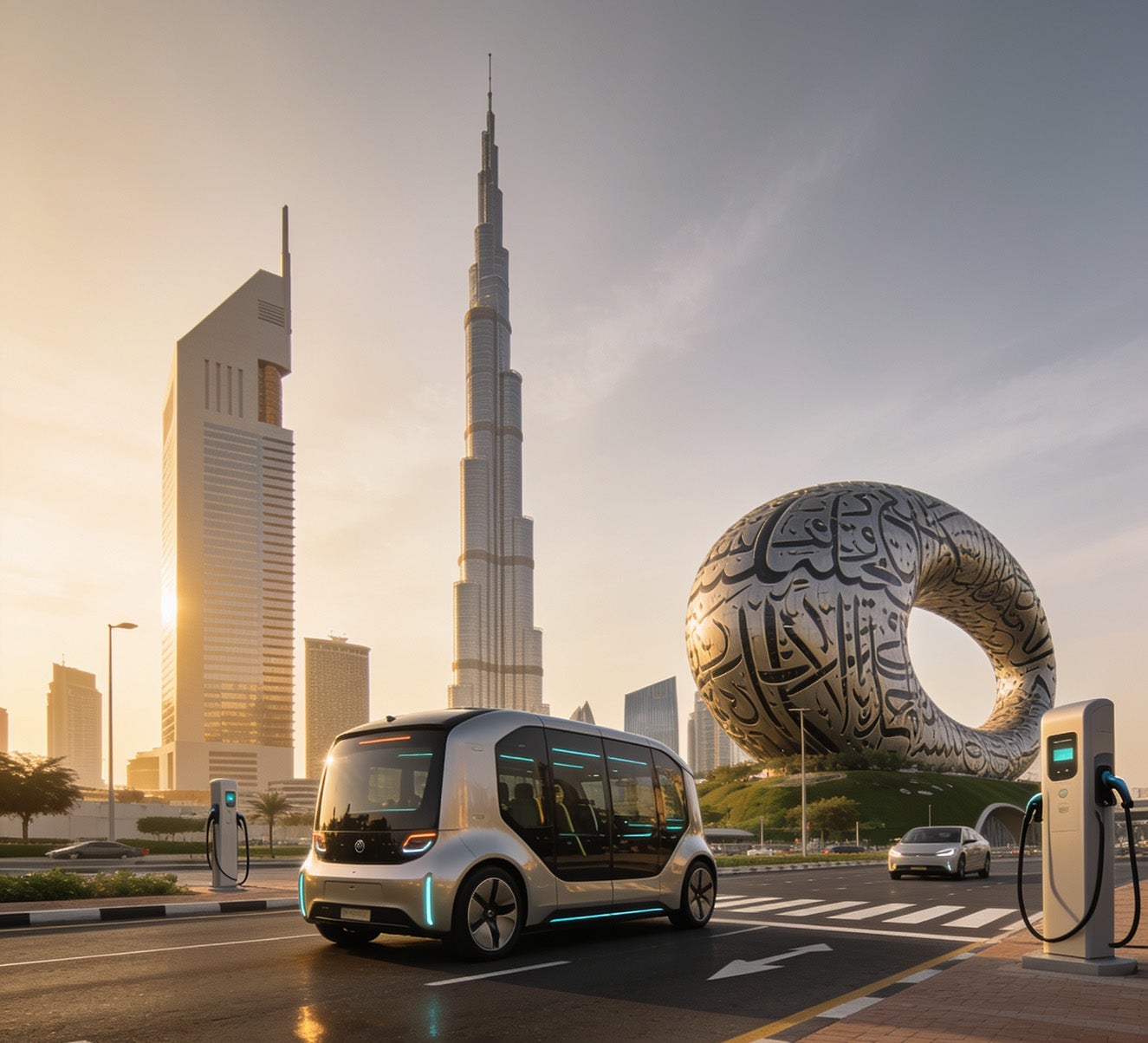
The development of smart cities across the Middle East is changing the way transportation, infrastructure and urban services are designed.
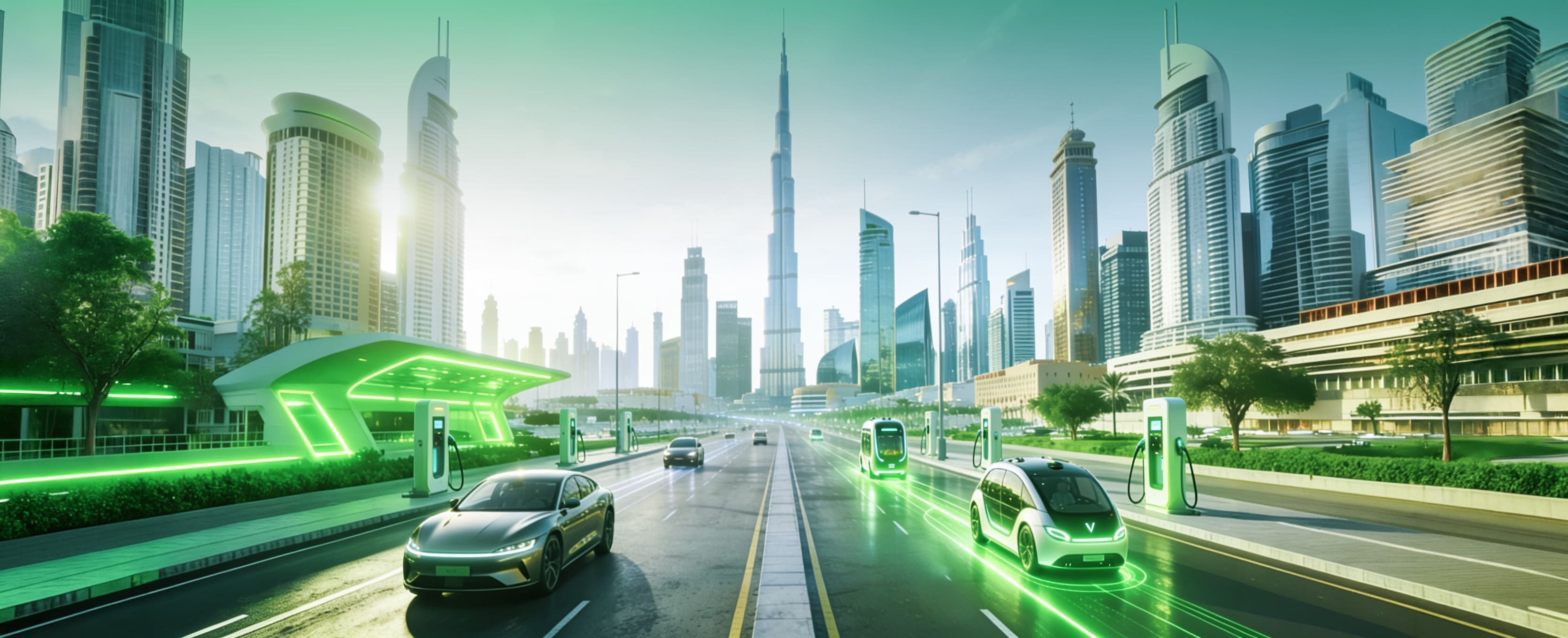
Instead of treating roads, vehicles, public transport, parking and pedestrian infrastructure as separate systems, cities are increasingly connecting them through shared data, digital platforms and intelligent infrastructure.
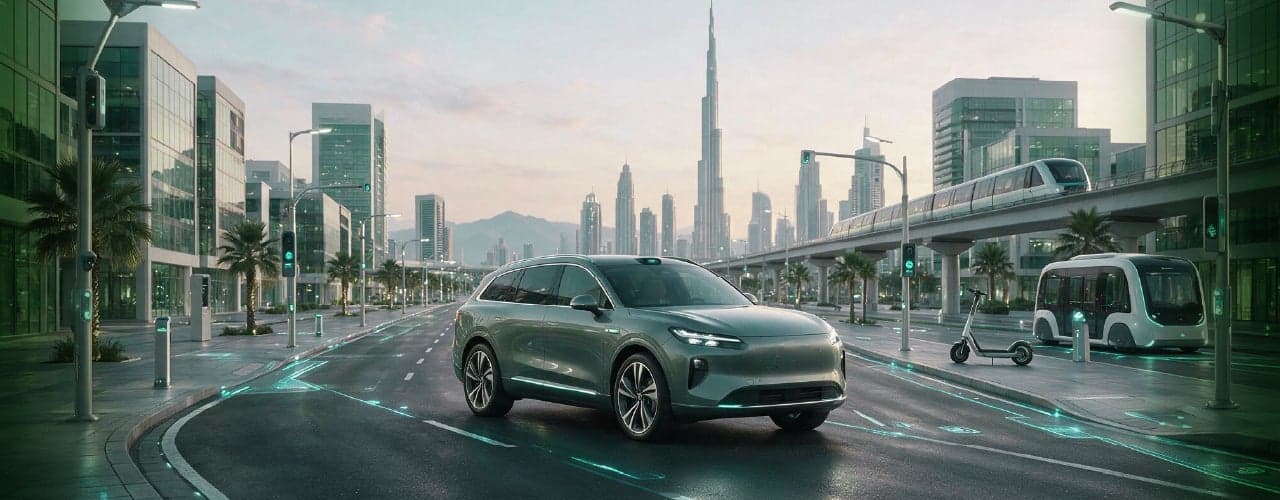
Sensors can monitor traffic flows. Connected vehicles can communicate with infrastructure. AI platforms can analyse real-time conditions and optimize traffic management. Mobility applications can combine multiple modes of transport into a single customer journey.
Dubai provides a clear example of this direction. The Roads and Transport Authority’s Self-Driving Transport Strategy targets converting 25% of transportation trips in Dubai into smart and driverless journeys by 2030.
For businesses, this represents more than a transportation transformation. It creates opportunities for companies providing software, connectivity, sensors, cybersecurity, mapping, payments, fleet management, data analytics, infrastructure and mobility services.
The smart city of the future will therefore depend not only on physical infrastructure, but on the digital ecosystem connecting everything together.
AI Is Becoming the Intelligence Layer of Transportation
Artificial intelligence is becoming one of the foundations of future transportation.
AI-powered systems can analyse large volumes of mobility data to identify congestion patterns, predict demand, optimize routes, manage fleets and improve infrastructure performance.
For businesses, the implications are substantial.
A logistics company can use predictive intelligence to improve delivery schedules. Fleet operators can anticipate maintenance requirements before failures occur. Transport authorities can dynamically manage traffic. Mobility platforms can use real-time data to deliver more personalized journeys.
Dubai’s RTA has already formalized this direction through its AI Strategy 2030, which includes 81 projects and initiatives across areas including seamless mobility, intelligent traffic management and asset excellence.
As AI becomes increasingly embedded into transportation infrastructure, competitive advantage will depend not simply on collecting data, but on the ability to turn mobility data into decisions, efficiency and new business opportunities.
IoT Is Connecting the Physical and Digital City
If AI provides intelligence, the Internet of Things provides connectivity.
IoT-enabled cameras, roadside sensors, charging infrastructure, connected vehicles, parking systems and smart traffic signals can continuously generate information about how a city is moving.
Combined with 5G, cloud computing and edge technologies, these systems create the digital foundation for connected mobility.
For technology providers, this creates opportunities across telecommunications, cybersecurity, cloud infrastructure, sensors, mapping, payments, fleet management and urban analytics.
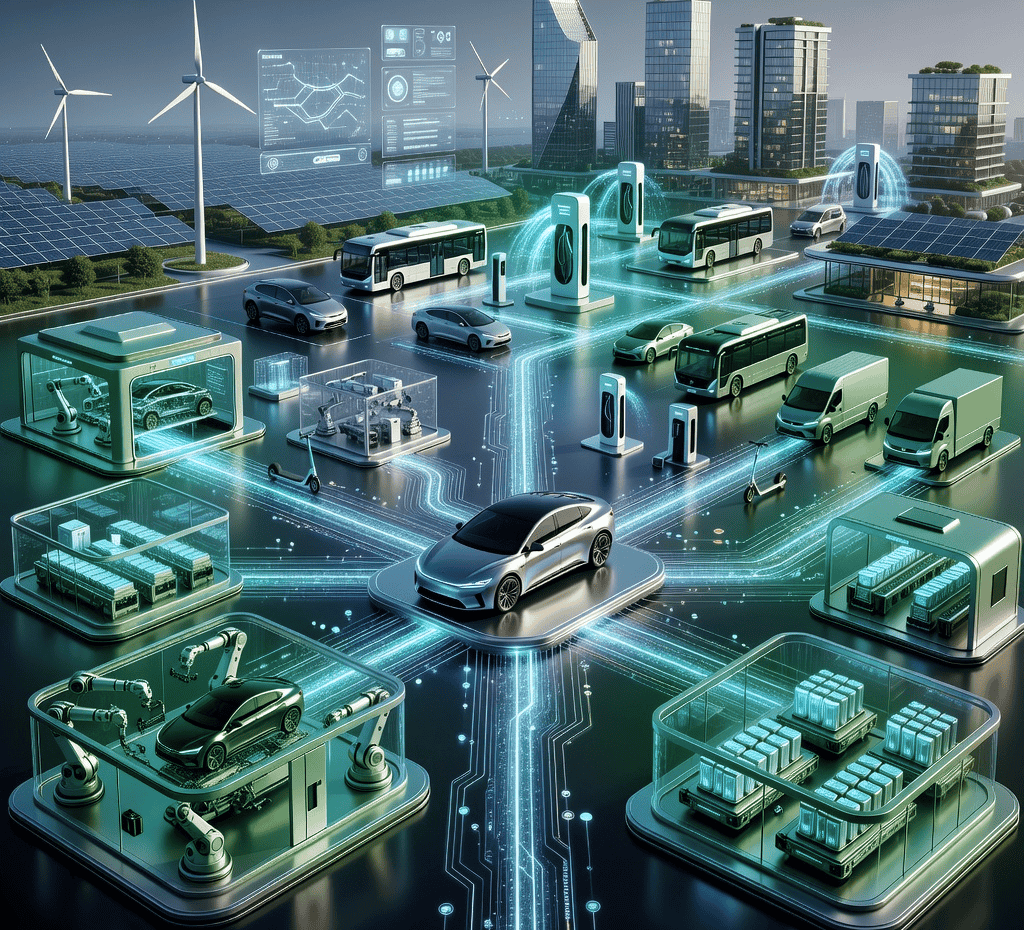
The future mobility market is therefore not simply a vehicle market. It is an interconnected technology stack spanning connectivity, data, infrastructure, software, energy, payments, cybersecurity and intelligent transportation systems.
Autonomous Mobility Is Moving From Pilot to Operation
Perhaps the most visible demonstration of regional mobility innovation is the accelerating development of autonomous transportation.
In November 2025, Abu Dhabi announced the commercial operation of fully driverless Level 4 vehicles, described by the emirate as the first commercial deployment of its kind in the MENA region. Abu Dhabi Mobility also introduced a digital platform capable of monitoring autonomous vehicle movements and operations in real time.
Dubai followed with further progress in February 2026, when official operations of fully autonomous RT6 taxi vehicles developed by Baidu Apollo Go were launched as part of the emirate’s smart mobility ecosystem.
These developments signal an important transition: autonomous mobility in the Middle East is moving beyond demonstration projects towards commercial ecosystems.
For businesses, this transition changes the opportunity significantly. It creates demand not only for autonomous vehicles, but also for fleet platforms, sensors, mapping, connectivity, safety systems, charging infrastructure, data platforms, cybersecurity and operational services.
Expert Perspective: Regulation and Innovation Must Move Together
Technology alone will not determine how quickly autonomous mobility scales.
Dr Abdulla Hamad AlGhfeli, Acting Director General of Abu Dhabi Mobility’s Integrated Transport Centre, described the emirate’s autonomous vehicle authorization as a “strategic milestone” for smart and sustainable mobility. His wider comments emphasized the importance of regulatory and operational frameworks alongside technology deployment.
That balance will define the next stage of mobility innovation.
The cities that succeed will not simply deploy the most advanced vehicles. They will build environments where transport authorities, technology companies, infrastructure operators and investors can innovate within secure, interoperable and commercially viable frameworks.
Mobility-as-a-Service Is Creating New Business Models
Another major opportunity is Mobility-as-a-Service (MaaS). Rather than consumers managing separate applications for metro services, buses, taxis, micromobility, parking and potentially autonomous vehicles, MaaS platforms can bring multiple transport options together through one digital interface.
The result is a shift from vehicle ownership towards access, integration and convenience.
For businesses, MaaS creates opportunities in digital payments, subscription models, customer analytics, multimodal journey planning and personalized mobility services.
It also creates a valuable new commodity: data. Aggregated mobility information can help authorities understand infrastructure demand, enable developers to make better location decisions and help businesses understand how customers and employees move through cities.
Where the Business Opportunities Are Emerging
Technology & Digital Infrastructure
Companies providing AI, cloud platforms, IoT, cybersecurity, connectivity, mapping and data analytics are becoming essential components of the mobility ecosystem.
Charging & Energy
The expansion of electric mobility is creating demand for charging infrastructure, energy management, battery technologies and integrated power solutions.
Fleet & Logistics
Connected fleet platforms, predictive maintenance, route optimization and electrification are helping businesses improve efficiency while reducing operational costs.
Real Estate & Smart Cities
Developers are increasingly considering mobility connectivity, EV charging, public transport access and intelligent infrastructure when designing communities and commercial destinations.
Tourism & Retail
Connected mobility can create smoother visitor journeys and provide businesses with better insight into how customers move through cities and destinations.
Investment & Partnerships
As new technologies and business models emerge, smart mobility is creating opportunities for investors, technology companies, infrastructure providers and strategic partners to enter new markets.
The result is a mobility economy that connects multiple industries—and creates opportunities for businesses that may never have considered themselves part of the transportation sector.
Smart Mobility Is Becoming a Business Growth Platform
The commercial impact of smart mobility reaches across sectors.
Retailers can use mobility patterns to understand customer flows. Real estate developers can design connected communities around multimodal transport. Tourism operators can create frictionless visitor journeys. Logistics companies can optimize fleets using predictive intelligence. Governments can use transportation data to make better infrastructure investments.
This is why the Smart Mobility Middle East opportunity should be viewed as an ecosystem rather than a standalone transport sector.
The convergence of EVs, autonomous systems, AI, IoT, data platforms and smart infrastructure is creating a new arena for collaboration—and companies that enter this ecosystem early can help define the technologies, standards and commercial models that shape it.
EV World 2026: Where the Future Mobility Ecosystem Connects
As smart mobility accelerates across the Middle East, businesses need platforms where technology, investment, infrastructure, government and commercial opportunity can come together.
EV World 2026 is designed to provide that platform.
Bringing together mobility innovators, governments, investors, infrastructure providers, technology companies, fleet operators and solution providers, EV World creates opportunities to explore the technologies and partnerships shaping the next generation of transportation.
From electric vehicles and charging infrastructure to autonomous mobility, AI, IoT, connected infrastructure, intelligent transport systems and digital mobility platforms, the event provides a meeting point for the wider mobility ecosystem.
For exhibitors and partners, the opportunity goes beyond showcasing products.
It is an opportunity to build relationships, identify customers and partners, explore new markets, engage with decision-makers and position your organization within the region’s rapidly developing mobility ecosystem.
The Future of Mobility Is Being Built Now
The future of mobility in the Middle East will not be shaped by one technology or one organization.
It will be created through an ecosystem where vehicles, infrastructure, energy, intelligence, investment and policy move together.
For businesses, the opportunity is not simply to observe this transformation—but to participate in it.
Position your organization at the centre of the Middle East’s next mobility transformation.
Explore Exhibition & Partnership Opportunities at EV World 2026
10–12 November 2026 | Dubai World Trade Centre
ENQUIRE ABOUT EXHIBITING: Book Your Space at EV World 2026